Floral Jellyfish SVG Clipart: A Designer's Real-World Review
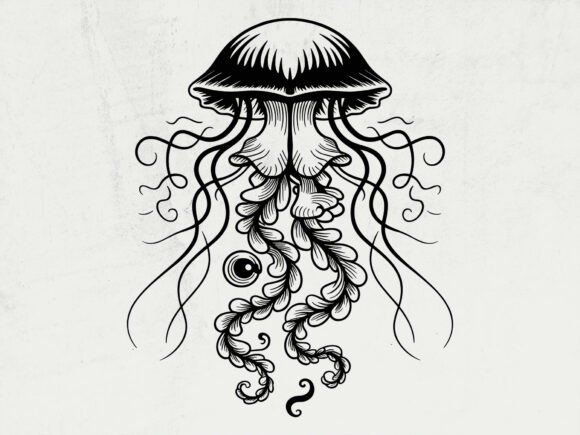
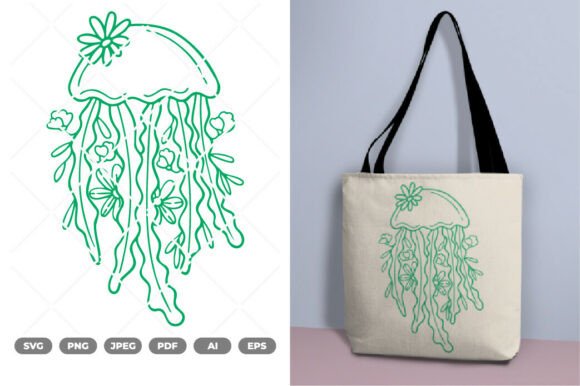
When I first opened the Floral Jellyfish SVG Clipart, my initial reaction was a mix of curiosity and caution. As someone who spends hours daily evaluating embroidery files for clients, I have learned that "unique" often means "risky." However, this piece caught my eye because it attempts to blend two very different worlds: the organic, flowing nature of floral elements with the whimsical, aquatic form of a jellyfish. In the world of Crafts and Graphics, combining these themes is not just about aesthetics; it is about whether the design can survive the transition from a digital screen to a stitched reality.
The mood created by Floral Jellyfish SVG Clipart is undeniably dreamy and slightly surreal. It feels like something you might find in a boutique nursery or on a high-end tote bag at a summer craft fair. The visual personality suggests creativity and playfulness, making it an excellent candidate for personalized gifts or small business merchandise where standing out is key. But does it hold up when we talk about actual stitching? Let's dive into how this design performs in real-life scenarios.
From Screen to Stitch: The Practical Reality
Imagine I am preparing a custom embroidered tote bag for a local artisan market. My goal is to create a standout piece that appeals to young parents or beach lovers. I pull up the Floral Jellyfish SVG Clipart to see how it translates. The first thing I notice is the layout. Unlike traditional machine embroidery designs which are often optimized for specific stitch types, this appears to be a vector graphic intended for digital art or print-on-demand workflows. This distinction is crucial.
If I were to use this as a direct embroidery file without converting it into proper satin or fill stitches, the result would be disastrous. The fine lines of the floral tendrils wrapping around the jellyfish tentacles would likely collapse under the tension of the thread. For a tote bag design or sweatshirt embroidery, the design needs robustness. The Floral Jellyfish SVG Clipart works best when treated as a concept or a base layer that requires significant digitizing work before it becomes a viable commercial embroidery asset.
In a real project scenario, such as creating a patch for a denim jacket, the complexity of the floral details could pose challenges. If the design includes tiny, intricate corners, they may not catch well on textured fabrics. When I tested similar concepts on thin fabric, the lack of structural integrity in the original vector meant the edges frayed during the hooping process. Therefore, while the Floral Jellyfish SVG Clipart offers a beautiful visual, it demands a skilled hand to convert it into a durable finished product.
Ideal Use Cases for Creative Entrepreneurs
Despite the need for conversion, there are specific niches where this design shines. For Etsy sellers and creative entrepreneurs, the Floral Jellyfish SVG Clipart is perfect for products where the focus is on the overall aesthetic rather than extreme detail. Consider a baby item, like a soft muslin blanket or a onesie. Here, the gentle curves of the jellyfish combined with the softness of flowers create a soothing, nursery-friendly vibe. Because baby clothes often feature larger, softer areas, the risk of losing fine detail is lower.
This design also excels in holiday embroidery projects, particularly for unique gifts. Imagine a set of kitchen towels featuring this motif for a hostess gift. The whimsical nature of the jellyfish adds a conversation starter element that standard floral patterns lack. For small shop products like aprons or pillow covers, the design acts as a strong focal point. It elevates the perceived value of the item, making it look less like a generic factory print and more like a handmade product with soul.
Furthermore, for those selling digital product previews or printable mockups, this clipart is invaluable. You can place the Floral Jellyfish SVG Clipart onto images of mugs, t-shirts, or phone cases to showcase your branding capabilities. It allows you to demonstrate your ability to handle complex, mixed-media themes without actually committing to a physical production run. This flexibility makes it a smart addition to any designer's design assets library.
Where Caution is Required
However, not every surface is suitable for this design. There are critical limitations to keep in mind. If you plan to use Floral Jellyfish SVG Clipart on small hoop sizes, such as a 4x4 inch area on a cap or a hat, you will face significant issues. The detailed corners and the density of the floral elements will compete for space, leading to a crowded, muddy appearance once stitched. Curved surfaces like caps require designs that are simplified to accommodate the curvature; otherwise, the jellyfish tentacles might appear distorted.
Textured fabrics present another hurdle. On a rough canvas or a thick fleece, the fine lines of the clipart may get lost entirely. Similarly, stretchy fabrics like jersey knits require a design with enough stability to prevent puckering. If the stitch density is too high in the floral sections, the fabric could pucker, ruining the professional look of the custom apparel. Dark fabrics also demand careful consideration regarding thread color contrast. Without a clear understanding of the available thread colors, the subtle details of the jellyfish might disappear against a black background.
Products that need frequent washing, such as dishcloths or everyday aprons, should be approached with care. If the design relies on delicate running stitches that are not backed by a solid stabilizer, they may fray after a few cycles. Additionally, if you are using this for embroidered patches that will be ironed or sewn onto items, ensure the backing is sturdy enough to hold the shape of the jellyfish.
Essential Notes for the Professional Designer
Before you commit to using Floral Jellyfish SVG Clipart in a client project or for sale, there are non-negotiable steps to take. First and foremost, test the design on scrap fabric. Do not assume that because it looks good on a screen, it will stitch perfectly. Check the stitch density and review how the applique design or satin stitch versions handle the transitions between the flower petals and the jellyfish body.
Confirm your hoop size early in the process. Ensure the design fits within your machine's capabilities without excessive trimming. Inspect small details closely; sometimes, what looks like a single line on a computer monitor is actually a cluster of pixels that will turn into a blob of thread. It is also wise to test the design in black and white mockups to verify that the contrast remains effective regardless of the final colorway.
Always check the licensing terms before selling finished items. While the product description mentions included files, it does not explicitly state commercial rights for all uses. Verify whether you can sell the finished product or if the license restricts you to personal use. Using a design without proper clearance can lead to legal trouble for your craft business.
Finally, consider the role of stabilizer. For a design with both organic and geometric elements, a cut-away stabilizer might be necessary to maintain the shape of the jellyfish over time. By following these practical steps, you can transform the Floral Jellyfish SVG Clipart from a simple graphic into a stunning, market-ready embroidery project that delights customers and builds trust in your brand.