Floral Bee Svg,Honeycomb Svg,Bee Svg Review
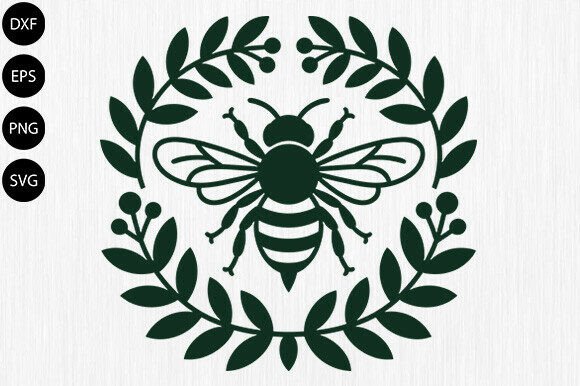
When I first opened the folder for Floral Bee Svg,Honeycomb Svg,Bee Svg, I wasn't looking at a generic clip art image. As someone who has spent years reviewing digital assets for real-world embroidery projects, my eyes immediately went to the structural integrity of the lines and the potential stitch density. This isn't just a graphic; it is a blueprint for a finished product that needs to hold up under the tension of a machine needle. The combination of organic floral elements with the geometric precision of a honeycomb creates a visual rhythm that feels both modern and timeless.
The immediate mood this design evokes is one of gentle industry. It suggests warmth, nature, and productivity without being overly busy. For an embroidery designer or a small business owner looking to create custom apparel or personalized gifts, this embroidery file offers a unique balance. It avoids the trap of being too delicate, which often leads to lost details in satin stitch, while still maintaining enough grace to work beautifully on softer items like baby clothes or aprons.
From Screen to Stitch: A Real-World Scenario
Let's imagine a practical scenario where I would deploy Floral Bee Svg,Honeycomb Svg,Bee Svg. I am preparing a collection of handmade tote bags for a local craft fair. These are not mass-produced items; they are meant to be durable, stylish, and conversation-starting pieces for customers who value artisanal quality. I selected a heavy-duty canvas fabric for the bags, knowing that the texture would add character to the final piece.
Upon importing the design into my digitizing software, the layout of the bee nestled within the honeycomb structure caught my attention. The negative space between the floral petals and the hexagonal cells is crucial. In a tote bag design, you need areas that allow the fabric to show through slightly, preventing the embroidery from feeling like a thick, stiff patch. This design handles that well. The honeycomb sections naturally suggest a fill stitch, which provides excellent coverage and durability, essential for a bag that will be carried daily.
I tested the thread colors against the canvas background. Using a golden yellow for the bee and a deep olive green for the flowers created a striking contrast that made the design pop. The stitch density appeared appropriate for the size of the hoop I was using. If the density were too high, the fabric would pucker around the curves of the flower petals. If it were too low, the fill stitches might look sparse on the textured canvas. Based on the vector paths provided in the SVG, the design seems calibrated to sit comfortably on standard 4x4 or 5x7 hoops without excessive trimming.
Where This Design Shines
This machine embroidery design is versatile enough to fit into several categories of handmade products. Beyond tote bags, I see immense potential for sweatshirt embroidery or light jackets. The floral and insect theme resonates perfectly with spring and summer collections, making it an ideal choice for seasonal marketing. Imagine a boutique selling organic cotton tees; adding this design as a chest pocket accent adds a touch of whimsy without overwhelming the garment.
For those running an Etsy shop or a small online store, this asset serves as a powerful tool for creating printable mockups. The clean lines translate well to digital previews, allowing customers to visualize the finished product before purchasing. Whether you are selling personalized gifts like embroidered pillow covers or kitchen towels, the design offers a level of detail that elevates the perceived value of your item. It signals professionalism and care, which are critical factors in building customer trust in the handmade market.
The embroidered patch application is another strong use case. The distinct shape of the honeycomb and the bee allows for a clean border, making it easy to iron-on or sew onto denim vests or hats. The geometric nature of the honeycomb provides stability, ensuring the patch doesn't distort over time, even with frequent washing.
Navigating Potential Pitfalls
However, no design is perfect for every situation, and as a reviewer, I must point out where caution is needed. While the design is robust, it may struggle on very small hoop sizes if the user attempts to scale it down too aggressively. Tiny details in the floral elements could get lost or merge together if the resolution of the stitching is pushed beyond its limits. Always check the hoop size requirements before committing to a small project like a cap or a baby onesie.
Fabric texture plays a significant role here. On thin or stretchy fabrics, such as lightweight jersey or silk, the tension required for the fill stitches in the honeycomb section might cause puckering. In these cases, using a proper stabilizer is non-negotiable. I recommend testing the design on a scrap piece of the same fabric first to gauge the tension and adjust the underlay settings if necessary. Dark fabrics can also present a challenge; if the thread colors chosen do not have sufficient opacity, the design might look muddy rather than vibrant.
Additionally, if you plan to use this for commercial embroidery on items that require frequent industrial washing, ensure that the stitch count supports long-term durability. While the design looks great, the longevity depends heavily on the execution. Curved surfaces, like baseball caps, require careful hooping techniques to maintain the alignment of the floral elements. A slight misalignment can make the bee look off-center, ruining the symmetry that makes the design appealing.
Practical Notes for the Designer
Before you start stitching, there are a few steps every professional takes to ensure success. First, always test the design on scrap fabric to verify the thread color contrast and overall appearance. Check the stitch density visually; does the fill look solid, or are there gaps? Confirm the hoop size fits your intended product dimensions without cutting off any part of the artwork.
Inspect the small details closely. Are the tips of the petals sharp, or do they appear rounded due to the file conversion? Sometimes, converting from a raster image to a vector can soften edges, so review the path points if you have access to the source files. Test the design in black and white mockups to see how the shapes read without color influence. Compare how it looks on light versus dark backgrounds to ensure versatility.
Finally, remember to use the correct stabilizer for your fabric type. For craft business owners, confirming whether the license allows for commercial use on finished goods is vital. If you are selling the physical items, you need to know if the digital product purchase grants you the right to sell the embroidered versions. Clarifying these terms protects your small shop product line from legal issues.
In conclusion, Floral Bee Svg,Honeycomb Svg,Bee Svg stands out as a thoughtful addition to any designer's library. It balances aesthetic appeal with functional embroidery requirements, making it suitable for everything from holiday embroidery projects to everyday custom apparel. By understanding its strengths and respecting its limitations, you can transform this digital file into a tangible asset that delights your customers and enhances your brand identity.